15 November 2026
Comprehensive Painting Sealing: Why Prep Matters Most
Presented by @kameronyqxa042
A fresh coat of paint can improve a property’s appearance, but lasting protection starts underneath the finish. Comprehensive painting sealing depends on clean, sound and suitably dry surfaces, along with compatible primers, sealants and coatings. Without that groundwork, even a premium paint can peel, blister or lose adhesion.
For Hawkesbury homes and commercial buildings, preparation also means checking where water enters and how it drains away. Addressing moisture, damaged masonry and failed joints before painting helps protect both the finish and the building beneath it.

What Does Comprehensive Painting Sealing Include?
Complete painting sealing is more than applying paint followed by a clear protective layer. It involves assessing the substrate, correcting defects, preparing joints, selecting suitable products and applying each coat under the right conditions. Some surfaces need a penetrating sealer; others require a bonding primer, masonry conditioner or specialist coating system. Not every painted surface needs a separate clear sealer.
Comprehensive sealing solutions should suit the material and its exposure. Timber, brick, render, concrete and metal behave differently, so one product rarely suits an entire property.
Find the Moisture Source Before Covering the Damage
Flaking paint, bubbling coatings, mould and white mineral deposits can indicate an underlying moisture problem. Painting over these symptoms rarely provides a durable repair. A preparation inspection should consider roof leaks, overflowing gutters, plumbing faults, ground drainage and condensation.
Check Roofs, Gutters and Drainage
Damaged gutter repair, aluminum gutter repair or copper gutter maintenance may be necessary before exterior painting begins. Comprehensive gutter services should also check outlets, downpipes and discharge points. On larger properties, commercial gutter services and comprehensive drainage solutions can help prevent repeated wetting of walls.
Be cautious about choosing products marketed as advanced gutter solutions without first identifying the cause of overflow. A blockage, inadequate capacity and incorrect fall need different remedies.
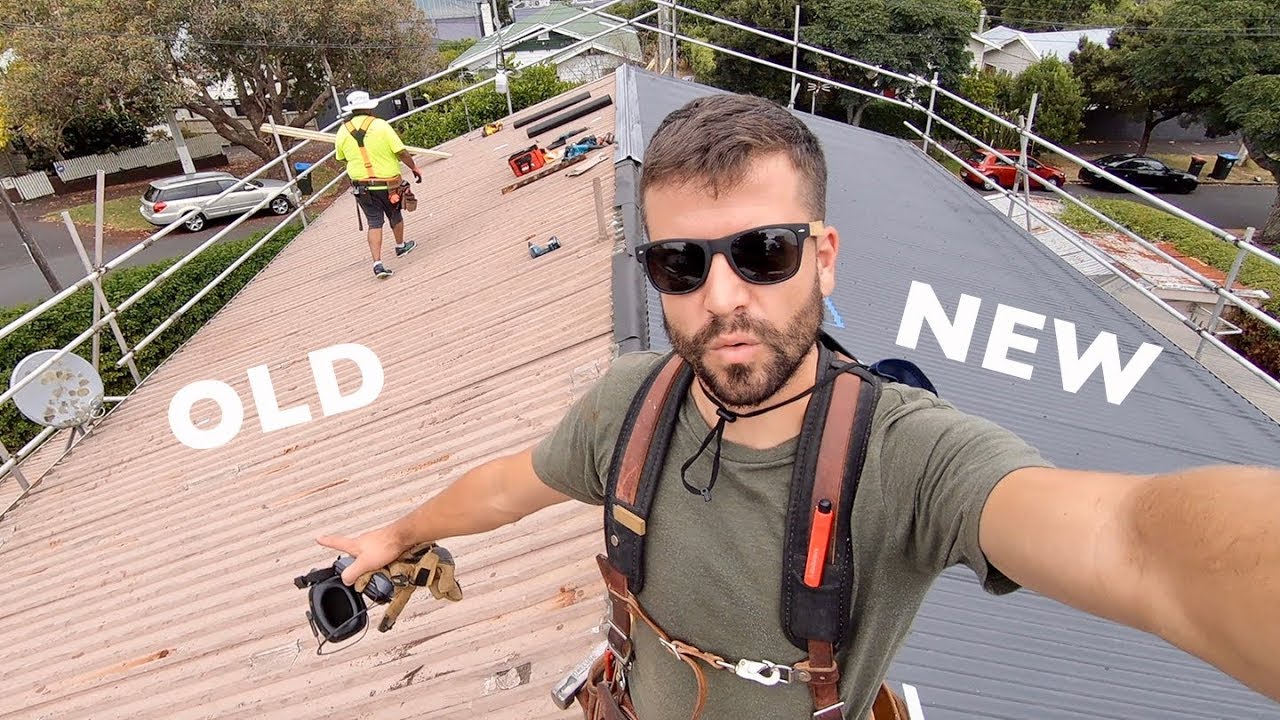
Likewise, comprehensive roof maintenance can reveal defects that undermine a new coating. Localised commercial roof repair may be sufficient for one building, while another needs more extensive work. Asphalt shingle replacement or cedar shake replacement is relevant only where those materials are actually installed.
Painting is not a substitute for roof repair. If an inspection identifies widespread deterioration, obtain a separate assessment before approving comprehensive roof replacement or complete roof installation. When comparing providers advertising advanced roof repair, certified roof repair or certified roof reroofing, ask what their credentials cover and verify applicable licensing and insurance.
Consider Condensation and Ventilation
Moisture does not always come from rain. Roof-space condensation may require attic ventilation repair or a ventilation assessment. Attic ventilation installation, customized roof ventilation and other attic cooling methods should account for roof design, insulation and climate.
Advanced ventilation techniques can support moisture management and attic heat reduction when properly designed, but additional vents are not automatically the answer. Exhaust fans should discharge appropriately rather than release moist air into a roof space.
Repair the Surface Before Reaching for Paint
Brickwork and Masonry
Brick facade repair starts with understanding the defect. Crumbling mortar may need brick joint repair, brick mortar replacement or brick mortar restoration through suitable brick repointing services. The replacement mortar must be compatible with the existing masonry; an excessively hard mix can contribute to damage in softer bricks.
Brick deterioration repair and brick erosion control should address persistent wetting and material breakdown, not simply conceal them. Brick wall weatherproofing must preserve appropriate moisture movement and keep drainage openings clear. A film-forming coating can cause problems on masonry that needs to dry through its surface.
Where movement joints have failed, brick expansion joint repair requires a suitable flexible system rather than rigid filler. Significant cracking, bulging or loose masonry raises questions about brick structural integrity and may require an engineer’s assessment before brick structural repair or brick wall reconstruction.
Routine brick wall maintenance supports brick durability enhancement, but paint alone does not provide meaningful brick thermal insulation. Insulation improvements require a separate assessment of the wall construction.
Timber, Render and Metal
Replace decayed timber rather than coating over it. Repair loose render and investigate recurring cracks before undertaking comprehensive wall repair. On metal, remove corrosion to the standard required by the coating manufacturer and apply a compatible primer. Painting over rust or unstable material leaves a weak layer beneath the finish.
A Practical Preparation Checklist
- Inspect and diagnose: Identify loose coatings, moisture sources, movement, rot and corrosion before specifying repairs.
- Clean appropriately: Remove dirt, grease, chalking and biological growth using methods suitable for the surface. Excessive water pressure can damage timber, mortar and existing coatings.
- Remove unstable material: Scrape or sand failed paint where safe, feather sound edges and remove preparation dust.
- Repair and seal joints: Use compatible fillers and paintable sealants. Keep weep holes, drainage paths and intended ventilation openings clear.
- Check dryness and conditions: Follow product limits for substrate moisture, temperature, humidity and rain exposure.
- Prime and coat correctly: Observe specified coverage, film thickness, curing conditions and recoating intervals.
Before sanding or disturbing older coatings and sheeting, assess the possibility of lead paint or asbestos-containing materials. Suspected hazardous materials need appropriate testing and safe handling, not routine abrasive preparation.
Why Product Compatibility and Application Conditions Matter
Advanced painting techniques cannot compensate for incompatible products or a damp substrate. Primers must suit both the surface and the finish coat. Flexible sealants need sufficient curing time, and some sealants cannot be painted at all.
For Hawkesbury projects, schedule exterior work around actual site conditions rather than the calendar alone. Direct sun can make surfaces too hot, while dew, rain and high humidity can interfere with drying. Follow the manufacturer’s technical data rather than assuming a universal drying time.
A small adhesion test or trial area is useful when the existing coating is uncertain. On commercial painting sealing projects, documented preparation standards and inspection checkpoints also help maintain consistency across large areas.
What to Ask Before Accepting a Quote
Request a written scope covering cleaning, repairs, preparation, primers, sealants, coating products and exclusions. Ask how hidden damage will be handled and whether roof, gutter https://garretttqwo704.brightpathdigest.com/posts/complete-roof-installation-from-deck-inspection-to-handover or structural work requires a separate trade. Broad descriptions such as comprehensive roofing services or commercial roof solutions should be supported by specific findings and clearly defined work.
The best-looking finish starts with problems being fixed, not hidden. Careful preparation gives a Hawkesbury painting and sealing project a stronger foundation, while ongoing inspections help catch small defects before they become expensive repairs.
Top Hawkesbury Roofer
Bells Line of Rd, Kurmond NSW 2757, Australia
(02) 4503 4545